

Youth Football Skill Development: Techniques for Building Skills and Teamwork
Youth football is more than just a sport. It helps young athletes develop physical ability, confidence, discipline, and teamwork that extend far beyond the field. When players learn strong fundamentals and how to work together early on, they not only perform better but also enjoy the game more.
For coaches and parents alike, focusing on proper techniques and positive team development can create an environment where young players thrive. Below are practical approaches to building football skills while strengthening teamwork.
Building Fundamental Football Skills
Strong fundamentals form the foundation of every successful football player. While positions may vary, all young athletes benefit from mastering core skills such as passing, catching, movement, and safe physical play.
Key skill areas to focus on include:
Passing and Catching: Start with short, controlled throws to build accuracy and confidence. Gradually introduce movement and varied angles to improve coordination and reaction time.
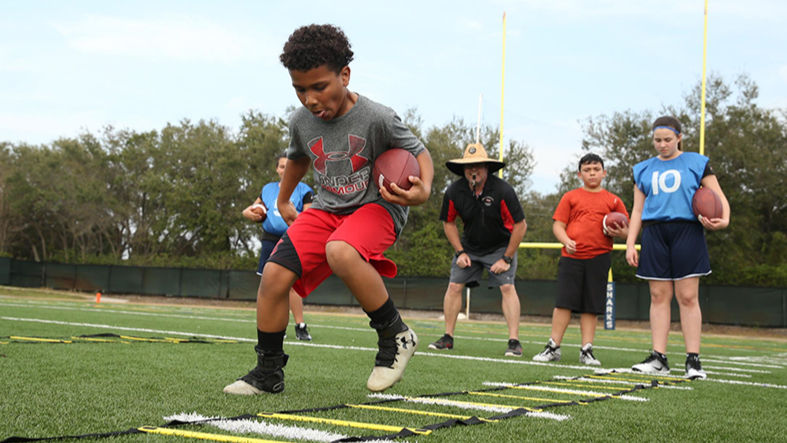
Footwork and Agility: Cone drills, ladder work, and directional changes help players move efficiently, improve balance, and react faster during plays.
Running Technique and Ball Control: Teaching proper posture, stride, and ball protection allows players to move with speed while maintaining possession.
Safe Contact Fundamentals: When tackling is age appropriate, emphasize correct body positioning, keeping the head up, and using arms properly to reduce injury risk.
Consistent practice and repetition help young athletes develop these skills naturally over time.
Strengthening Teamwork and Communication
Football is built on cooperation. Every play requires players to communicate clearly, trust each other, and work toward a shared goal.
Team focused development can include:
• Encouraging players to call out signals and communicate during drills• Running partner or small group exercises that require cooperation• Teaching clear roles and responsibilities on the field• Creating positive team challenges that build trust and connection
When athletes feel supported and understand how their role contributes to the team, performance and confidence improve.
Structuring Effective Youth Football Practices
Well organized practices keep players engaged and promote steady improvement.
A balanced session often includes:
Warm Up: Light movement, stretching, and coordination drills to prepare the body and prevent injury.
Skill Development: Focused drills targeting fundamentals like throwing, catching, footwork, and ball handling.
Team Drills: Small group and full team activities that reinforce communication and positioning.
Controlled Scrimmage: Short game style situations where players apply new skills in real time.
Cool Down and Review: Stretching and a brief discussion of what went well and what can improve.
This structure keeps practices productive while maintaining a fun atmosphere.

Teaching Positive Attitudes and Sportsmanship
Football offers valuable lessons beyond athletic ability. A supportive environment helps young players develop strong character.
Coaches and parents can emphasize:
• Effort over results
• Respect for teammates, opponents, and officials
• Learning from mistakes instead of fearing them
• Encouraging every player regardless of skill level
These values create a healthy sports experience and long term enjoyment of the game.
Supporting Young Players Outside of Practice
Development continues beyond scheduled training.
Helpful habits include:
• Light skill work at home such as throwing or footwork drills
• Maintaining realistic expectations and patience
• Keeping football enjoyable and low pressure
• Talking openly about goals, progress, and challenges
When adults support growth consistently, kids remain motivated and confident.
Final Thoughts
Youth football is one of the most effective ways to build athletic skills, teamwork, confidence, and life lessons. By focusing on fundamentals, structured practices, communication, and positive coaching, young athletes develop into stronger players and stronger individuals.
With the right guidance, football becomes more than a game. It becomes a foundation for growth that benefits kids for years to come.


Comments